Back to 1900s, 1910s, and 1920s
1930
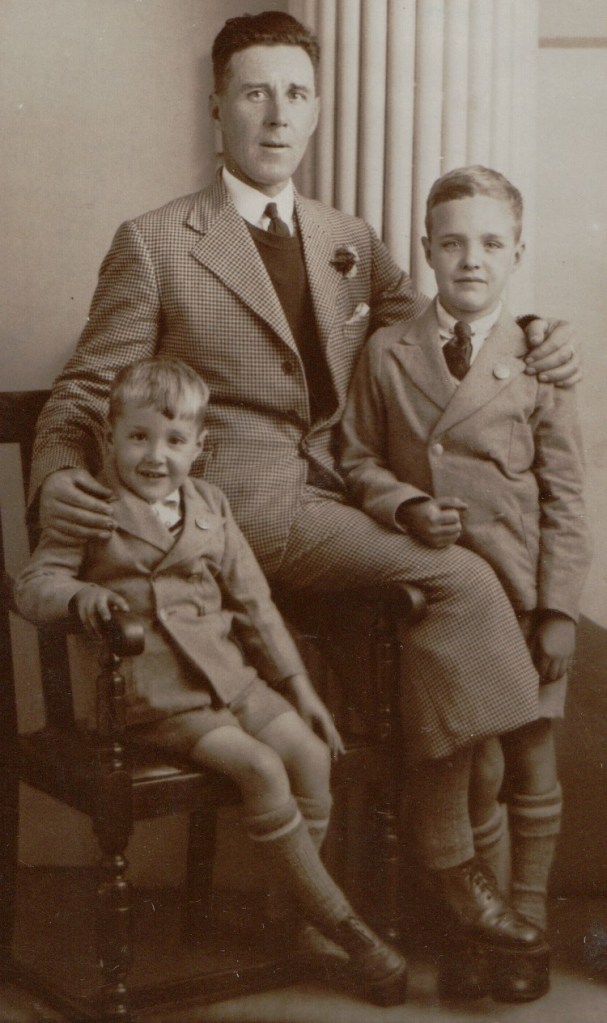
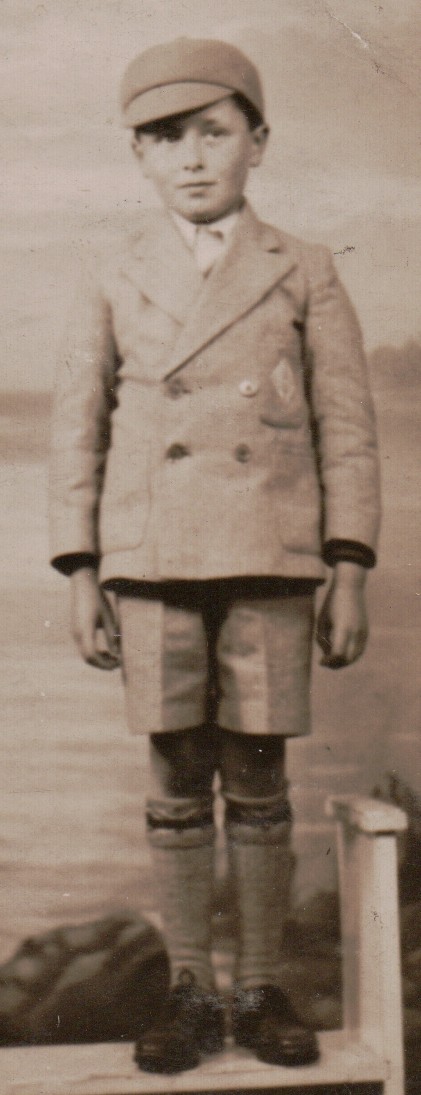
Through the 20s and 30s, Britain was enjoying a post-war celebratory mood and people generally had more money to spend. The Prince of Wales, briefly Edward VIII, started to champion the double-breasted jacket at this time and was instrumental in its rise in popularity as men were keen to emulate his style, in this case by dressing his sons in them.
The father in this picture is wearing houndstooth pattern cloth, a fabric humble beginnings that remained relatively obscure until the 1930s. It caught the attention of the Prince of Wales and became more well-known. The Prince adopted the pattern into most of his casual wear, which transformed houndstooth from a rustic shepherd’s pattern into a fashion statement.
Source: Moss The History of the Double-Breasted Suit; Glenmuir The history of houndstooth
1932
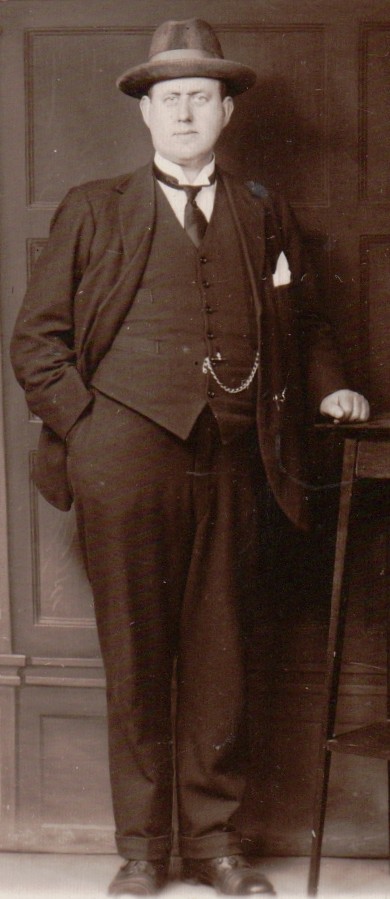
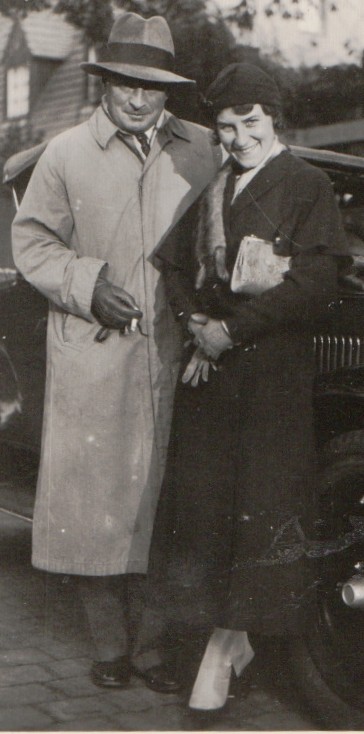
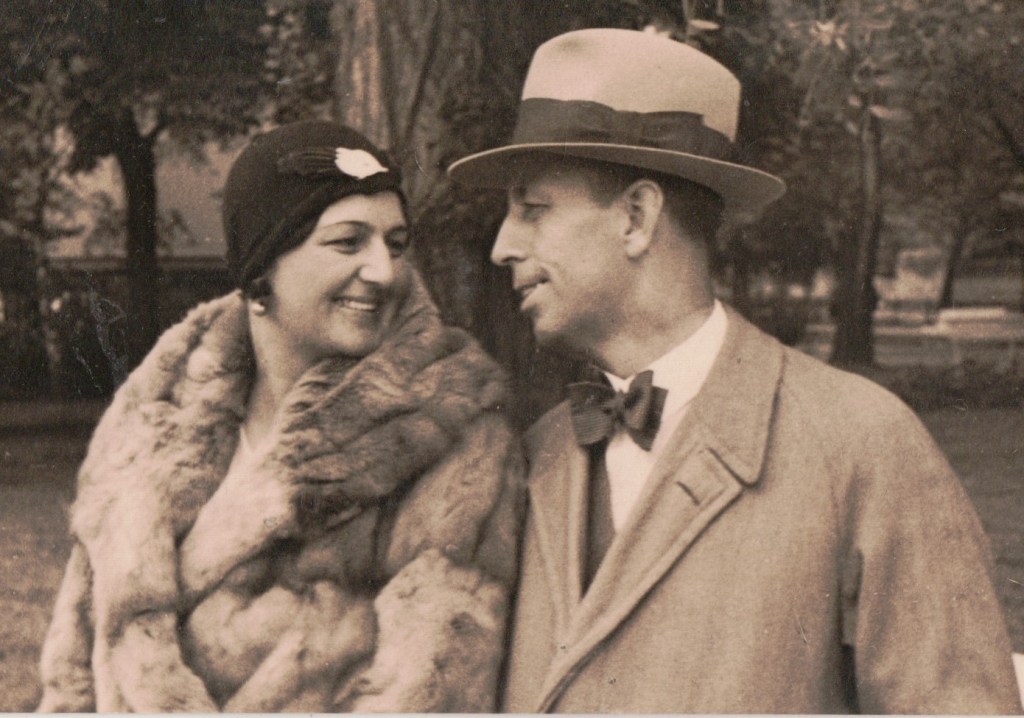
The Fedora has been documented as far back as 1891, gradually gaining popularity and eventually overtaking the similar-looking Homburg in style and influence. The name Fedora originates from a play of the same title written by Victorien Sardou in 1882 that starred the famous French actress Sarah Bernhardt.
In 1924, Edward, Prince of Wales, began wearing the Fedora, helping to popularise it among men. Its stylish design and practical protection from the elements made it a natural choice for modern elegance.
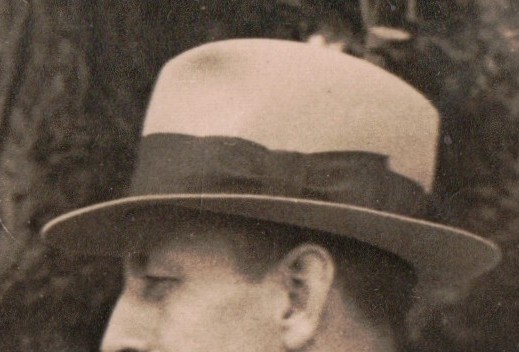
The Fedora is easily recognisable by its creased crown — typically with a teardrop or centre dent of the kind seen here — and a pinch at the front, giving it its signature silhouette. The crown is complemented by an angled brim, which can vary in width but is often turned down at the front and up at the back. Brims may be finished with a sewn edge or left raw, depending on the style.
A decorative band or ribbon is traditionally attached at the base of the crown, just above the brim, helping to define the hat’s overall shape. While men’s Fedoras tend to favour clean lines and classic colours with subtle styling, women’s versions often feature slimmer shapes and more elaborate adornments. Despite evolving with fashion trends, the Fedora remains a symbol of refined versatility and timeless appeal.
Source: Laird Hatters
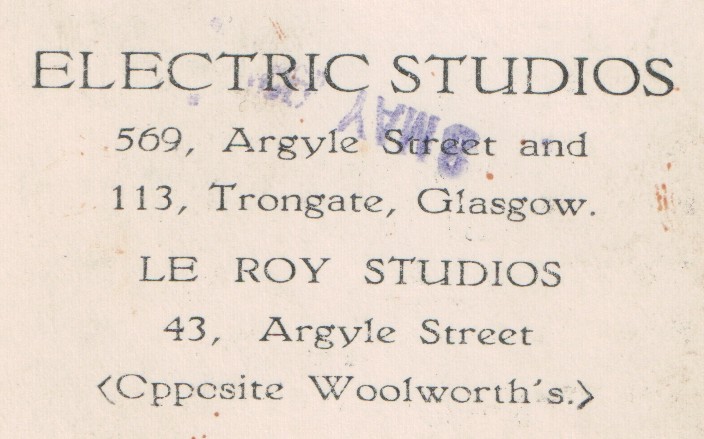
Difficult to read the date stamp.
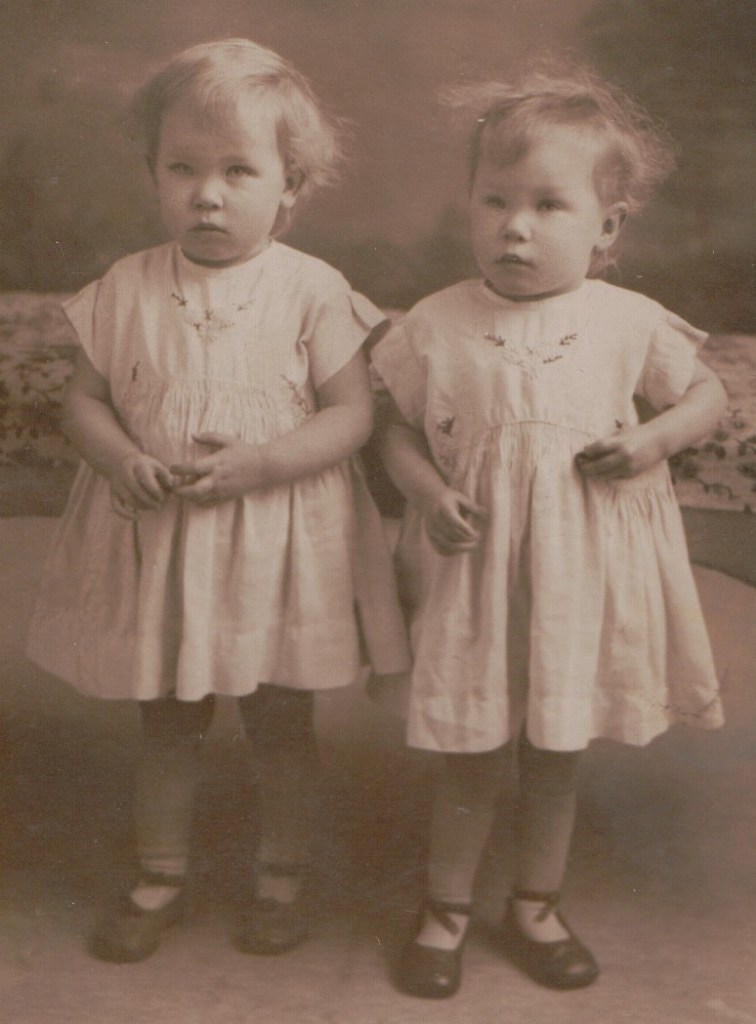
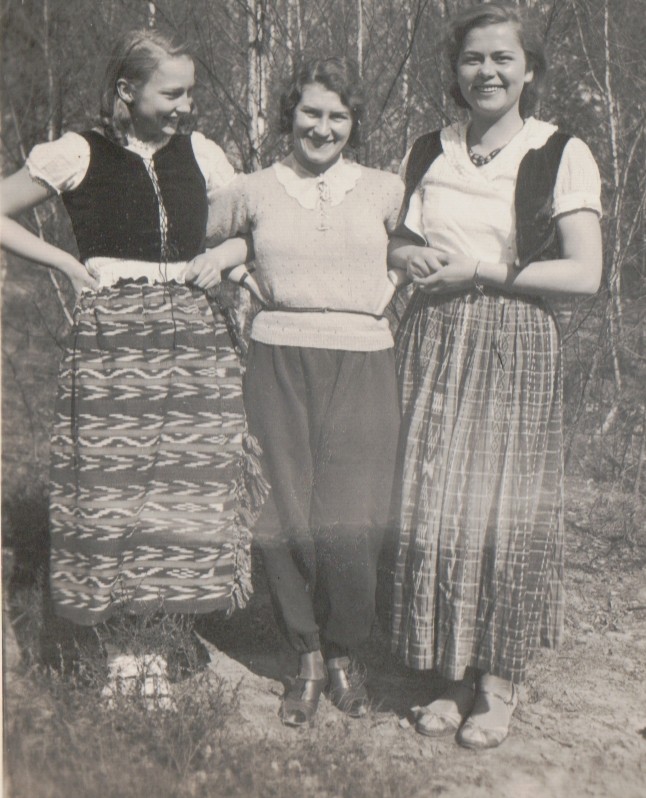
1934
1935
1936
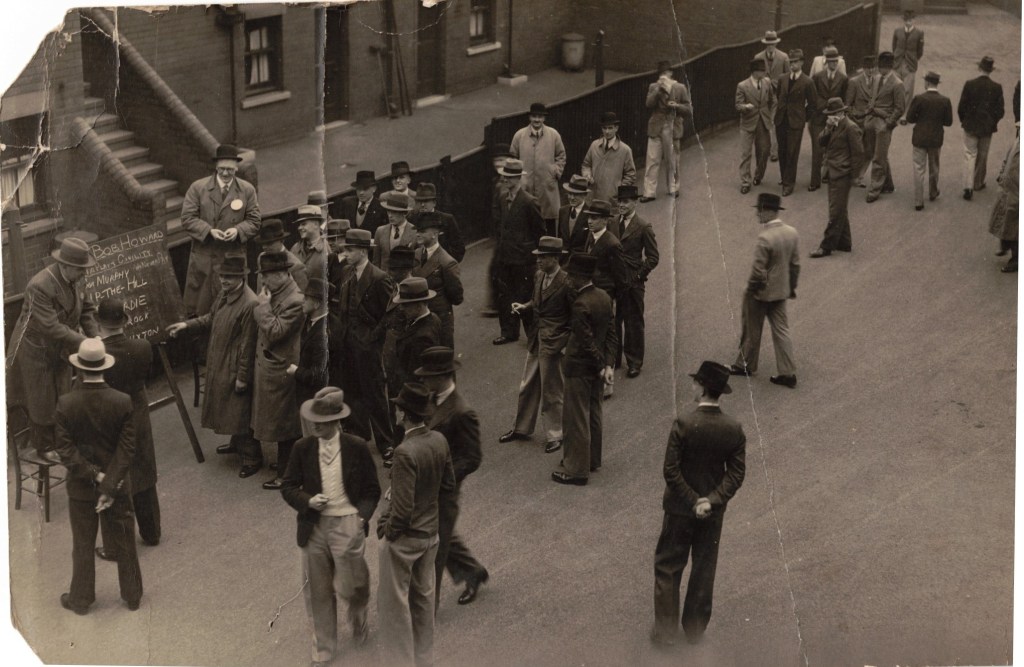
This marvellous photograph features more than forty men in hats.
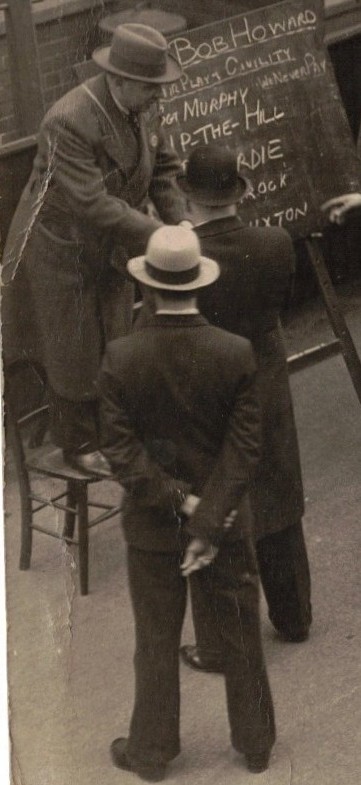
Bob Howard seems to be taking bets.
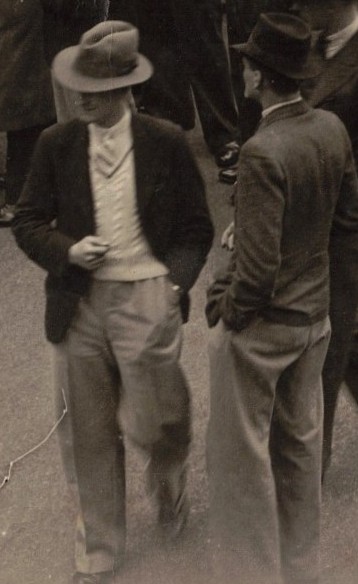
Fedoras hat and wide-leg trousers. The lighter hat on the left features a distinctive center-crease crown with prominent side pinches, while the darker hat on the right highlights a matching grosgrain ribbon band wrapped around the base of the crown.
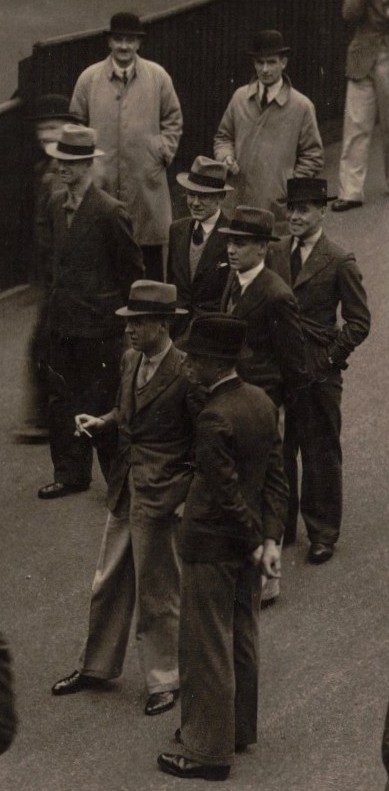
Oxford Bags on display.
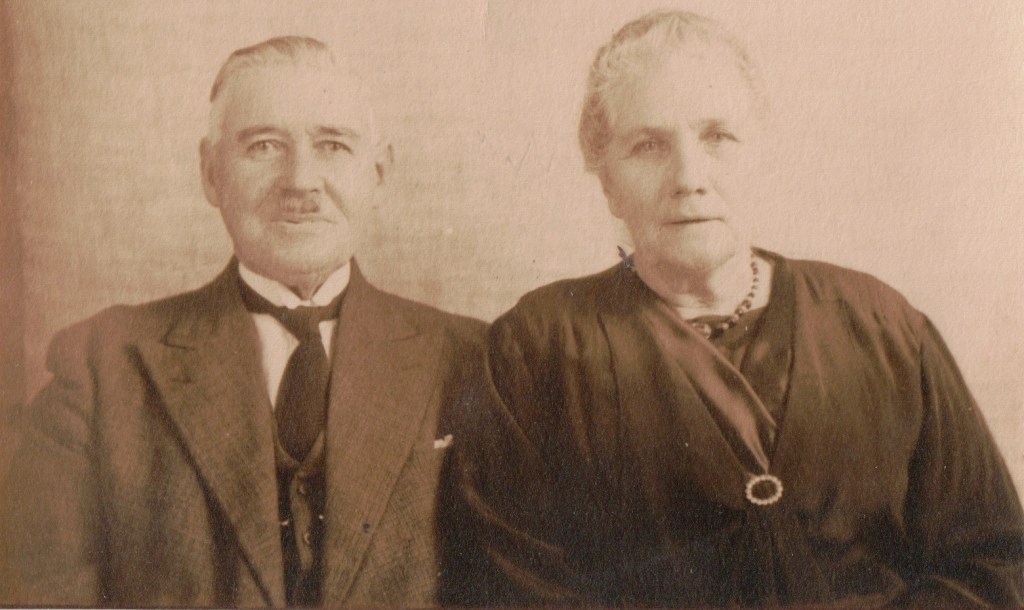
1937