This and the succeeding pages consist of photgraphs of costumes in date order. I only include images which bear dates. At present there are separate pages for the 1920s, 1930s, 1940s and 1950s.
1921
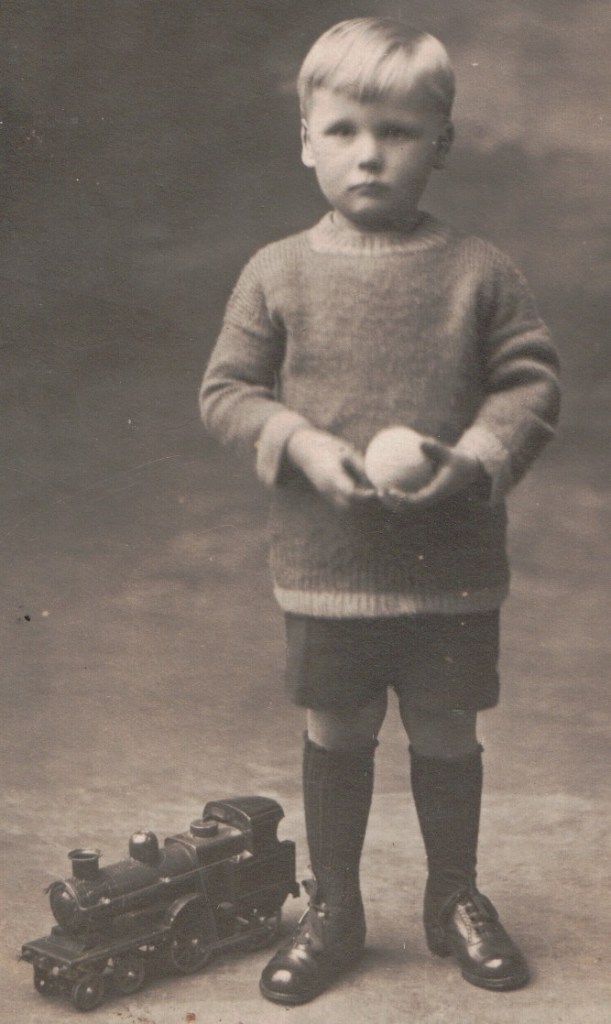
1923
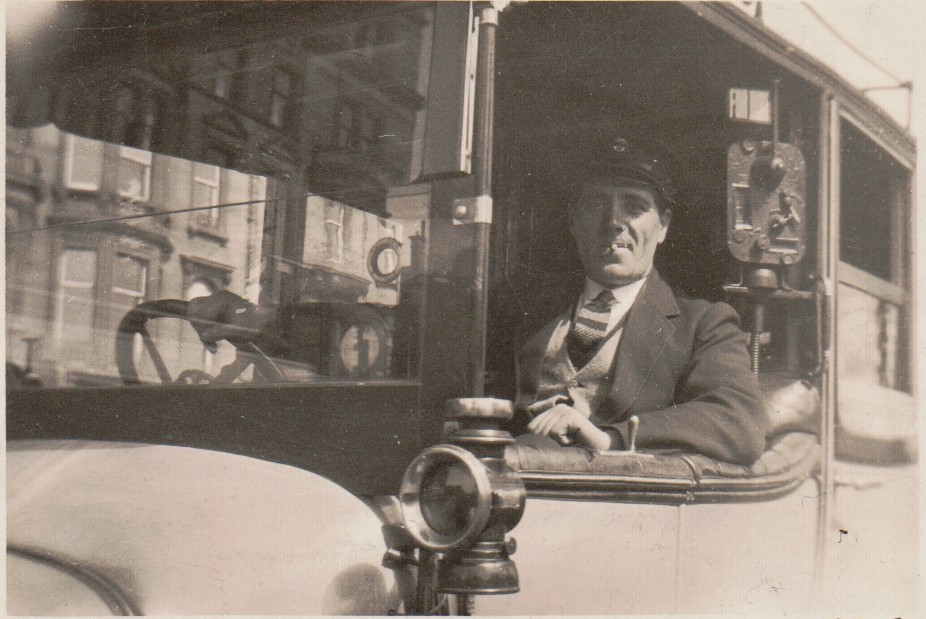
Friedrich Wilhelm Gustav Bruhn (11 November 1853 to 1927) was a German entrepreneur and inventor. In 1897, the Daimler Victoria was the first petrol-powered taxi with a taximeter.
Wilhelm Bruhn is considered the inventor of the modern taximeter for passenger transport, after which the taxi is named. He initially worked at the engineering firm Westendarp & Pieper in Hamburg, which he took over after the death of Georg Westendarp in 1902 and transformed into a factory for precision measuring instruments at Mauerstraße 86/88 in Berlin . He held numerous patents in Europe and the USA.
Bruhn’s first taximeters were mounted on horse-drawn carriages in the 1880s as fare indicators . They measured wheel revolutions. Bruhn put a great deal of inventive effort into preventing drivers from tampering with the meter, and this proved successful with vehicle owners. In 1897, the Daimler Viktoria, a motor vehicle model developed by Wilhelm Maybach, was equipped with Bruhn’s taximeter. With increasing motorisation, the invention gained international importance. Later, Bruhn developed speedometers and altimeters for aviation.
Thanks to the growth of aviation, Bruhn-Werke GmbH grew to employ 3,000 and had significant locations in Eisfeld and Schalkau in Thuringia until 1945 when it was dissolved by the Soviet military administration and the facilities were dismantled.
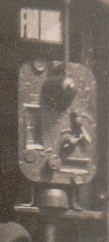
Bruhn’s early taxi meters were entirely mechanical, relying on a system of gears, cogs, and pulleys to measure the distance travelled by the taxi and the time spent on the journey. The meter would then translate this information into a visible fare on a dial, which would increase as the journey continued. This mechanical system, while ingenious for its time, was prone to wear and tear and required regular maintenance to ensure accuracy.
By the early 20th century, taxi meters had become a standard feature in taxis the major cities of many countries.
These early meters were typically housed in a robust metal casing, often mounted on the exterior of the vehicle, and were operated manually by the driver at the start of each journey.
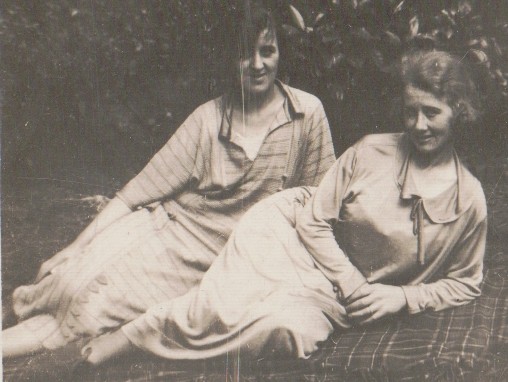
1925
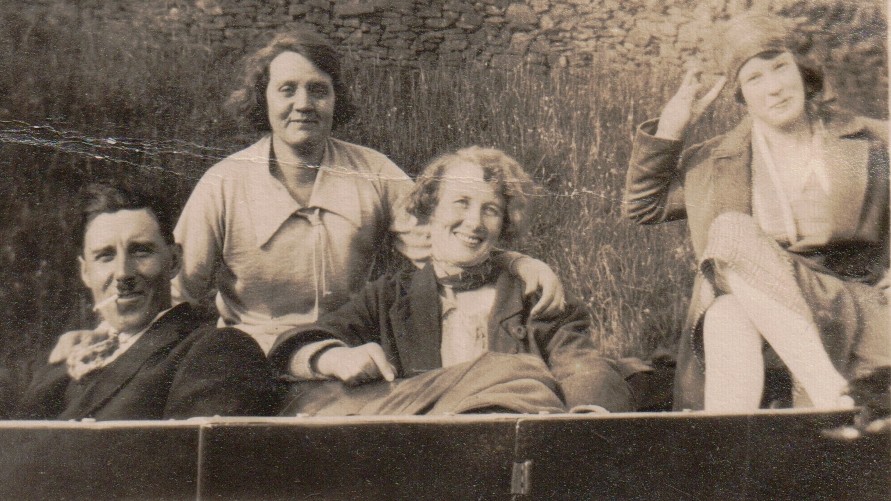
Everyone wore a hat
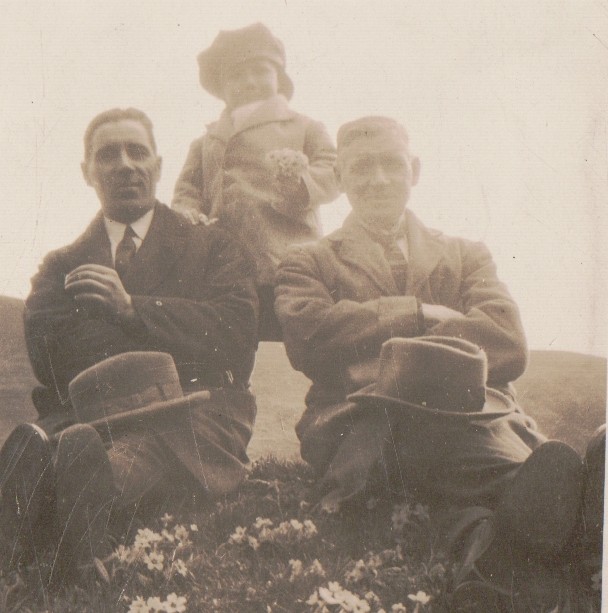
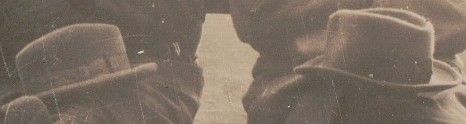
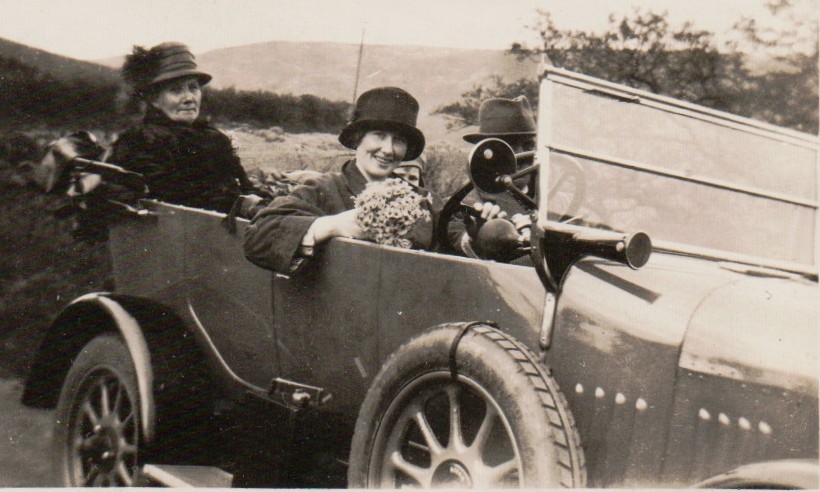
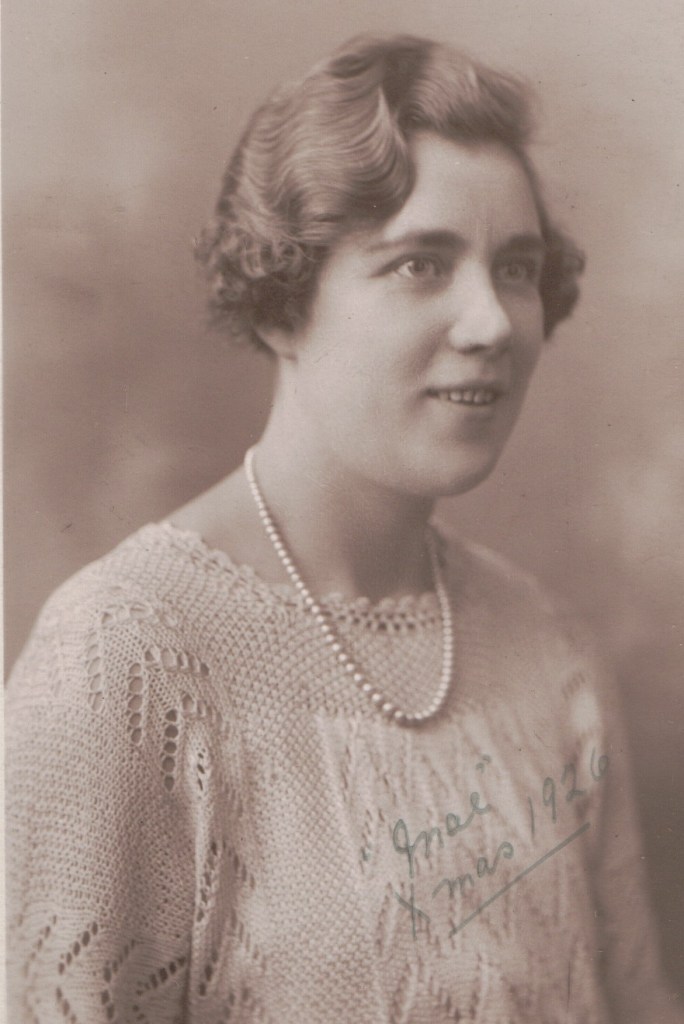
1926
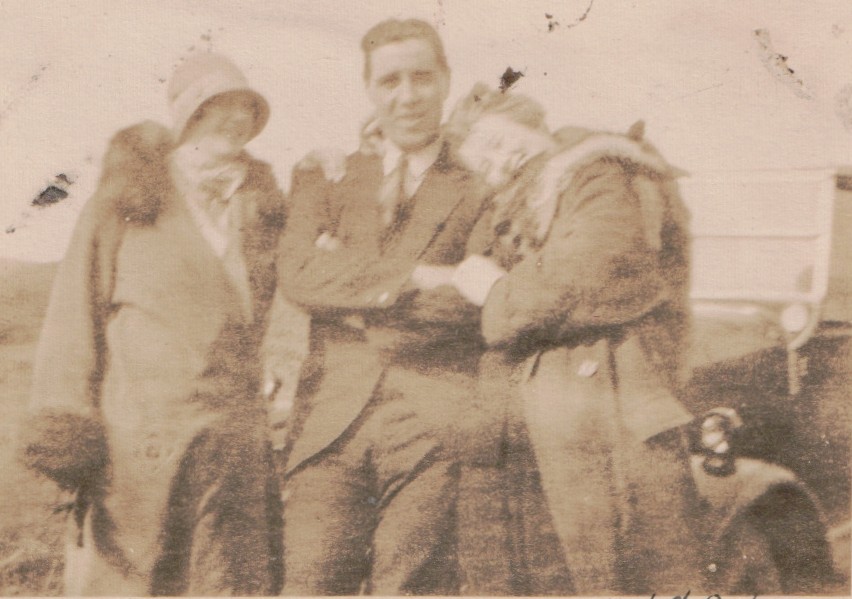
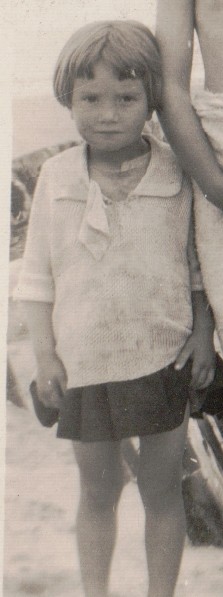
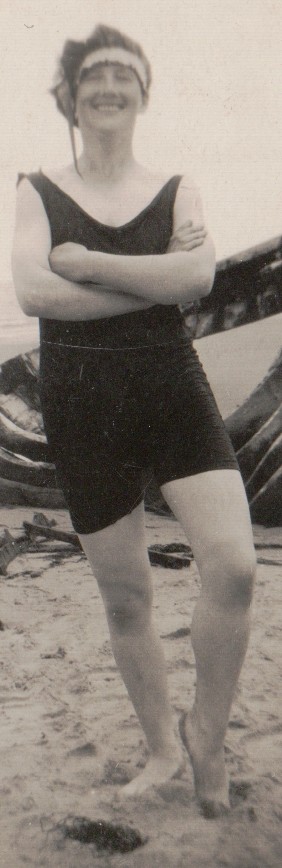
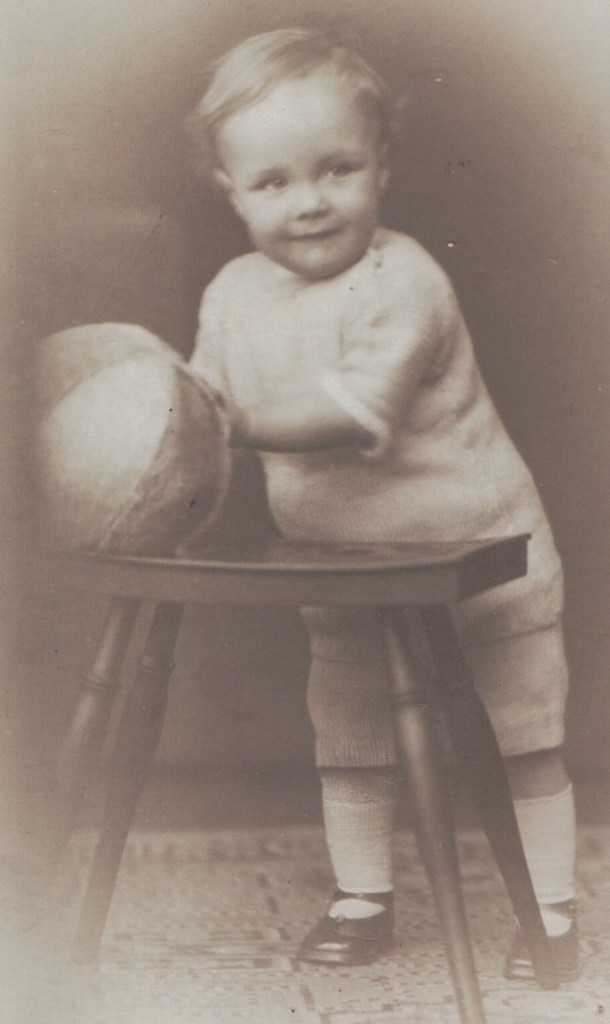
1928
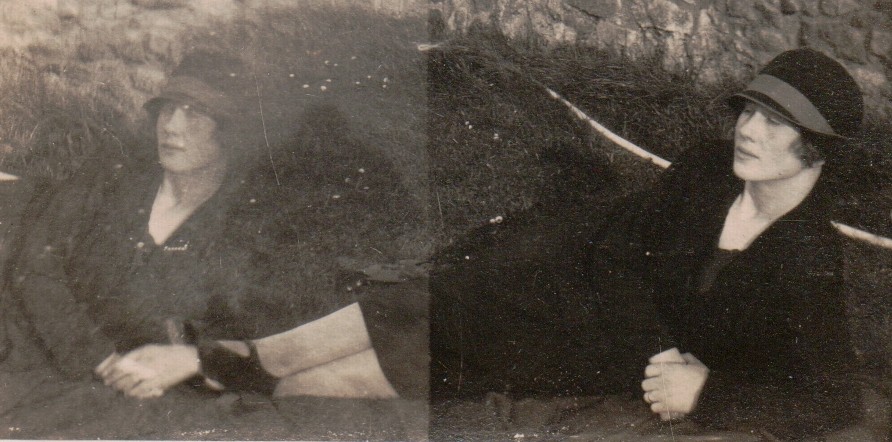
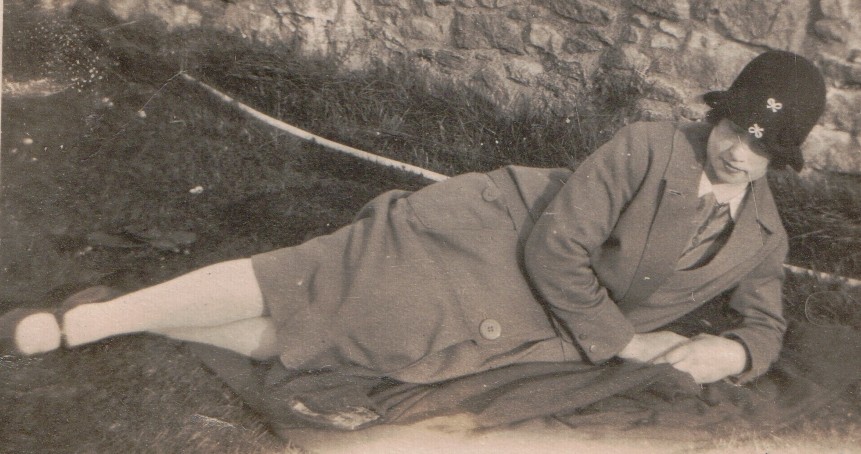
Cloche [bell in French] hats weren’t just for keeping warm. They were worn for every occasion including weddings and dancing the night away.
The quintessential headgear for the flapper of the 1920s, the cloche was a bell shaped hat worn low over the head, almost down to the eyes. . This shape was worn as early as 1908 and was already very popular by 1916, but it was during the 1920s that the style took off. Practical for keeping warm motoring around the countryside in open topped cars, the headgear was usually made of felt, which molded easily to the shape of the head. The rim was minimised, and decoration simple. Often a scarf was draped around the hat and fastened to one side Tassels and feathers were occasionally applied to one side only and Art Deco motifs also played a strong role. Well ilustrated here,the low rims gave the wearers a rather haughty look, as you had to lift your eyes to see out from under them.
Next pages:
 undivided-back postcards