Catedral de la Santa Cruz de Cádiz
In 1721 the architect Vicente Acero was chosen for the construction of Cadiz Cathedral. He was the master of the works who designed a spectacular Baroque temple. But in 1729 he clashed with the local council on the foundations of the towers prompting him to abandon the work. In the end the Cathedral took over 130 years to build and was completed in Neo-clasical style with a dome and towers much smaller than originally intended.

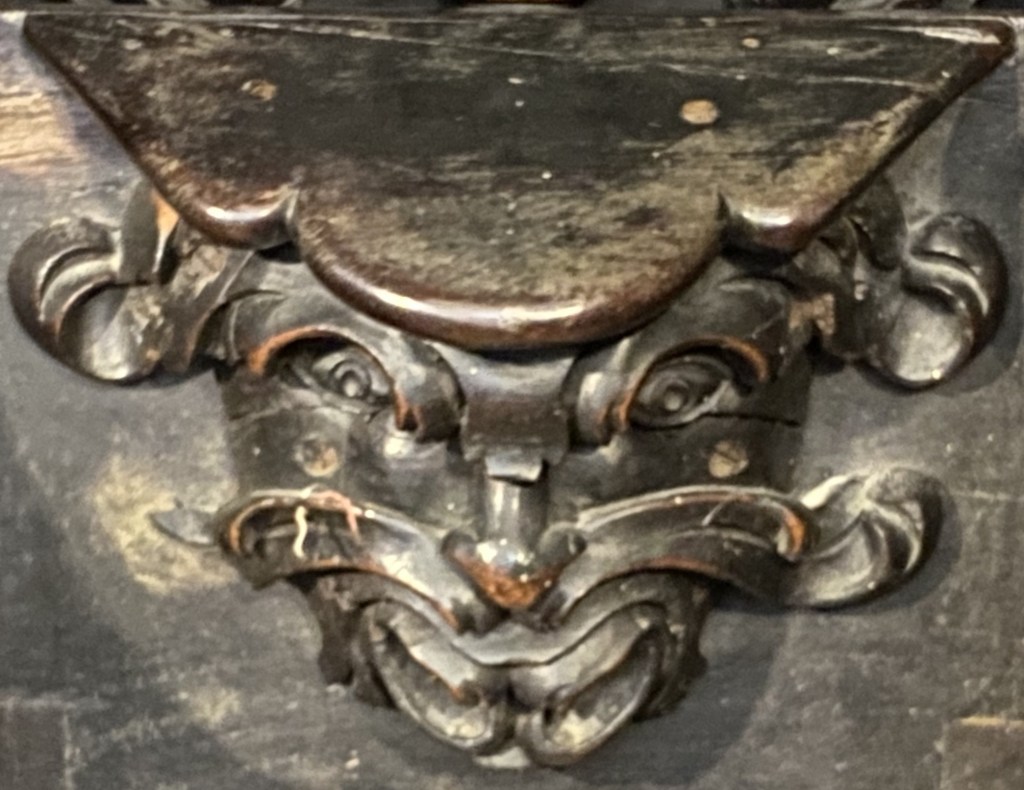
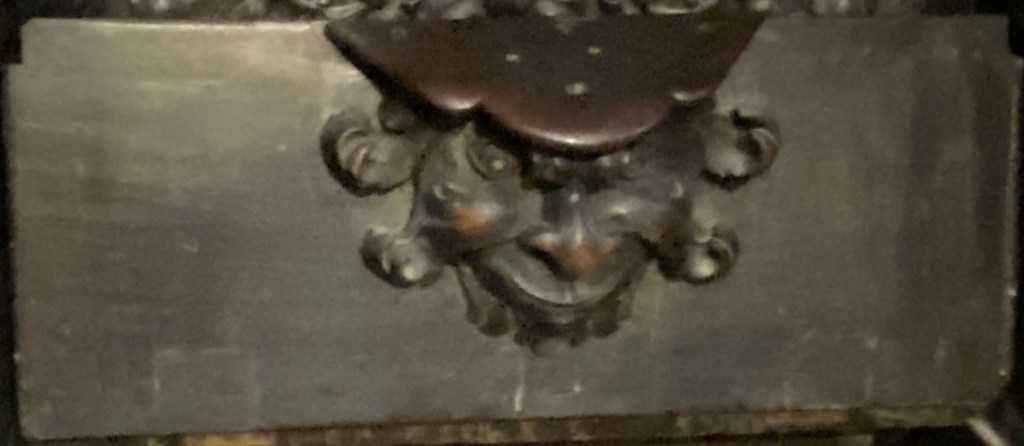
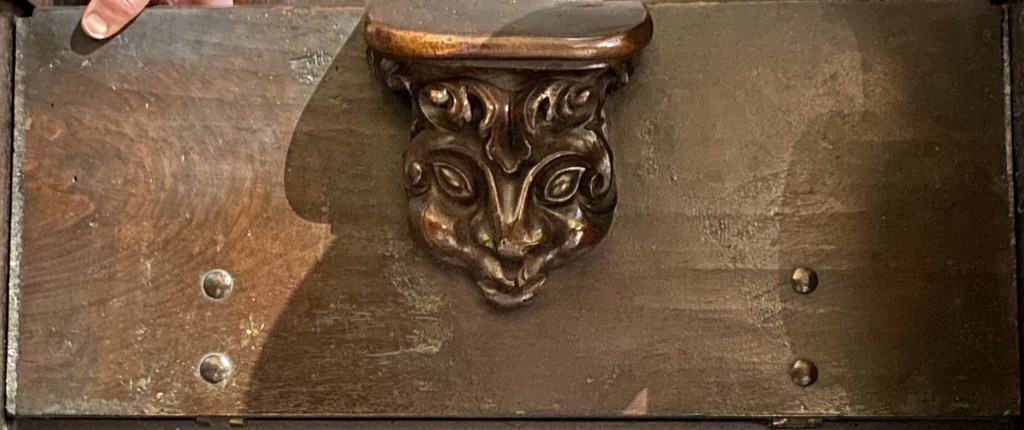
The Choir is located in the central nave, in front of the main altar. There are three rows of choir stalls each clearly of a different origin. The upper ones are works of art in themselves, carved in 1701 for the La Cartuja Monestary in Seville and brought to Cadiz Cathedral in 1840. The individual choir stalls are framed with twisted wooden columns and each one contains a statue of a saint and, above, angels playing musical instruments. The misericords in this third row feature faces, some grotesque, some striking. Some of them may be anthropomorphised animals, others perhaps caricatures of the monks for whom they were made?

Row 1
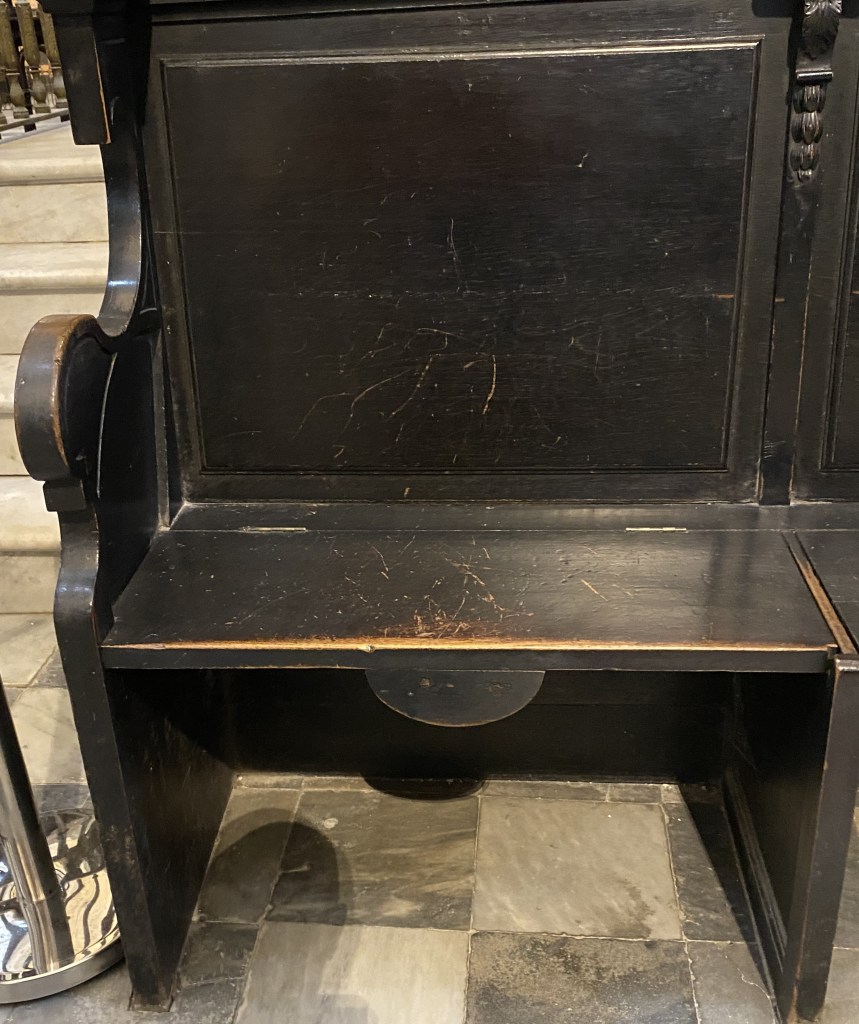


Row 2
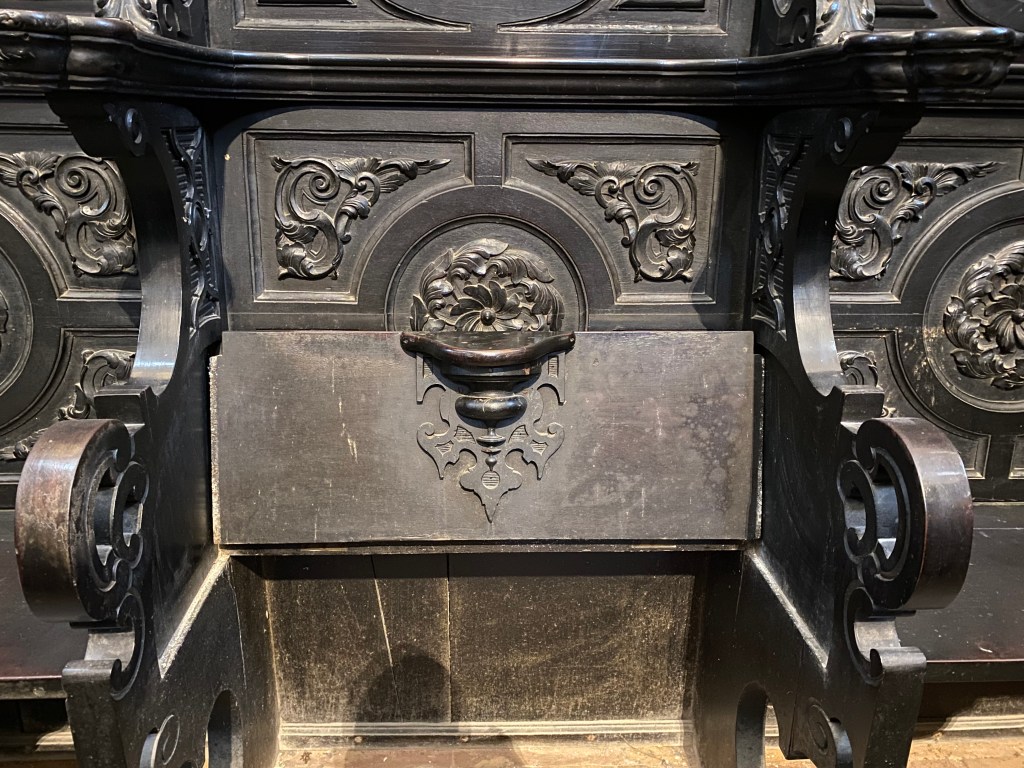


Row 3 from the left


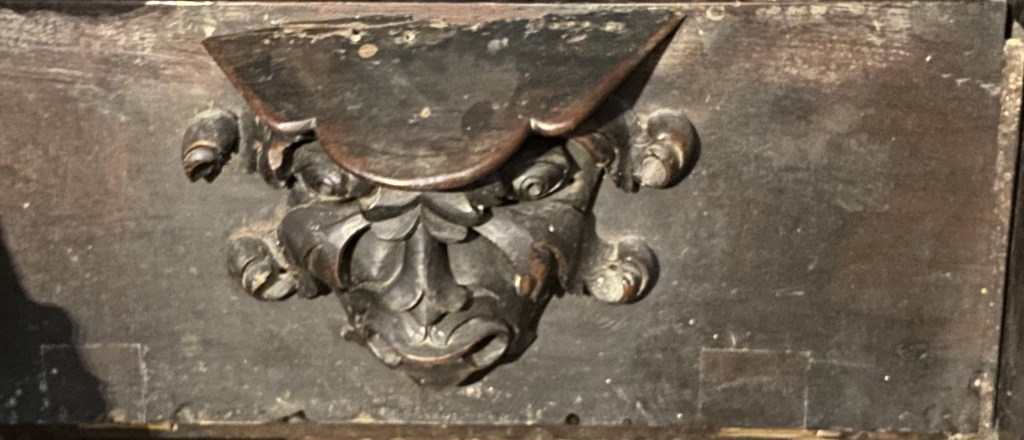


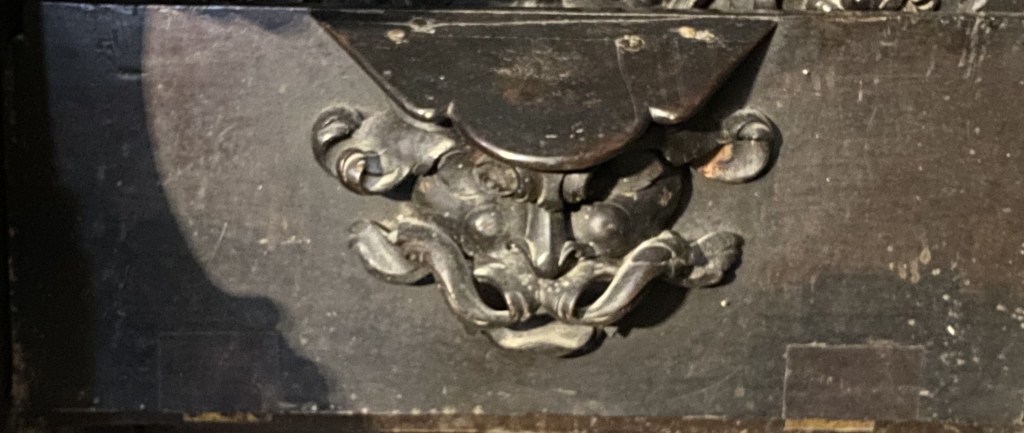


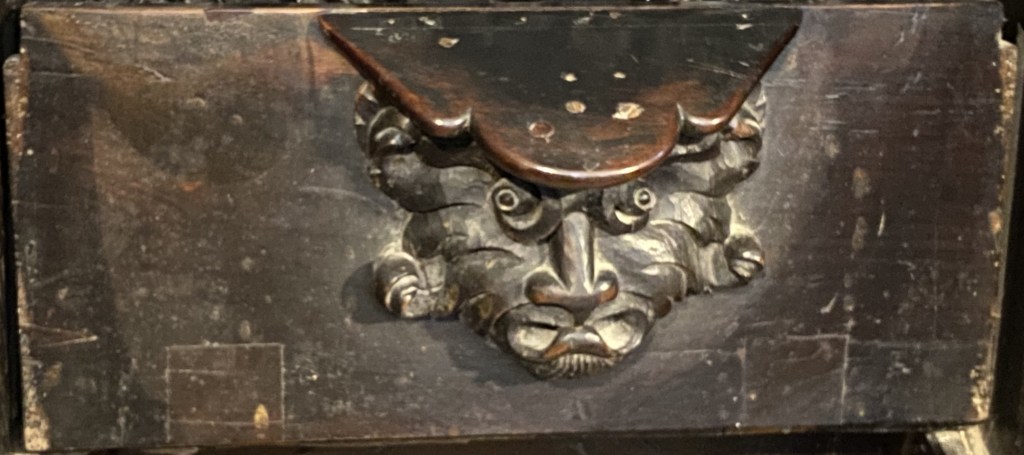
Row 3, Right side from the middle


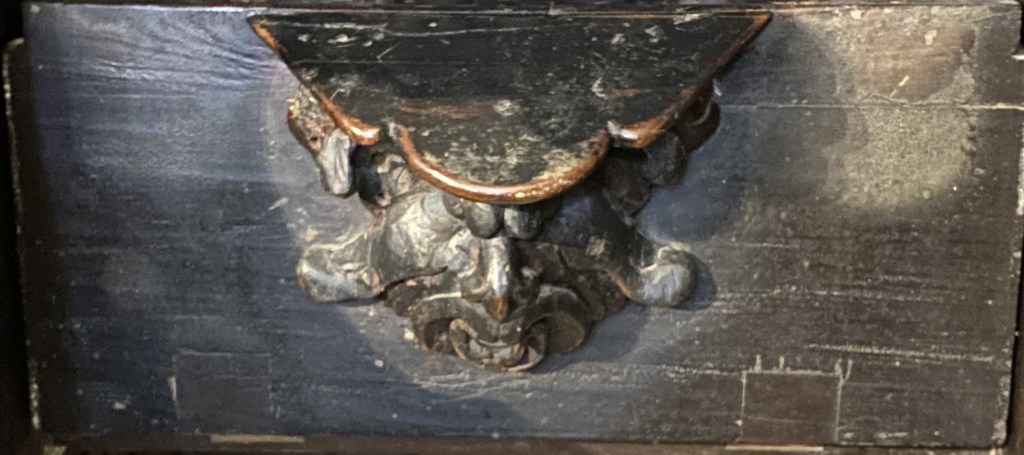

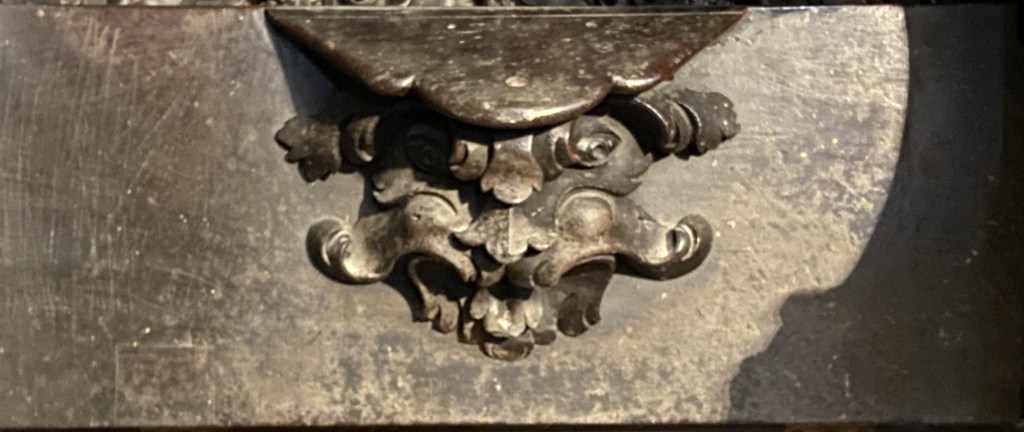




Cordoba Mosque Cathedral, Spain
This is the bizarre insertion of a Catholic cathedral dating from the thirteenth century into the heart of an Islamic mosque that first started five hundred years earlier. The result is a graphic physical manifestation of a clash of cultures one would travel far to equal.


As a result perhaps of its massive setting, the Cathedral itself seems quite small and a significant part of it is the choir which occupies three sides of the rear of the church. It consists of a hundred chairs of imaginative design, made of mahogany and distributed on two levels. The backs of the upper stalls are decorated with reliefs of the life of Christ and the Virgin, and other smaller ones from the Old Testament while the lower stalls show Cordoban martyrology. In the centre appears the colossal throne of the bishop, crowned by the apotheotic group of the Ascension of Christ.


The choir stalls were commissioned in 1748 from Pedro Duque Cornejo who is now buried in the middle of the choir he created. Duque Cornejo (15 August 1678 to 3 September 1757) was a sculptor, painter, engraver and architect of Baroque altarpieces of the Sevillian school. He was born in Seville into a renowned family of local artists. He had ten children from his marriage to Isabel de Arteaga. A long life of intense artistic activity in Seville, Granada and Córdoba led him to achieving pre-eminence in the Baroque of eighteenth-century Spain. His work is distinguished by its extraordinary inventiveness and versatility, as he worked equally in wood and stone carving, provided clay models for silversmiths, painted in oils, etched and was a prolific draughtsman.

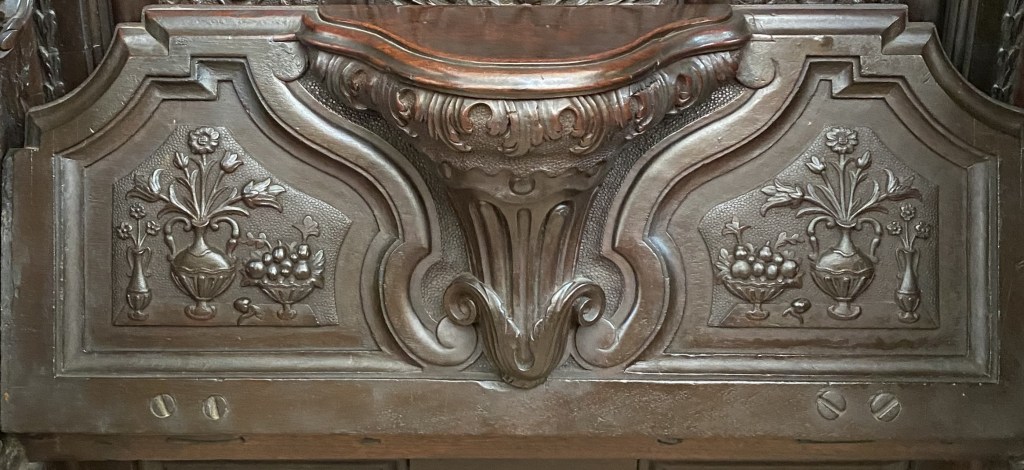
In 1747, Duque Cornejo won the competition held by the Chapter of the Cathedral of Córdoba to execute new choir stalls for the Cathedral. Despite the magnitude of the undertaking, he demonstrated his established talents in directing a large team of sculptors and carvers without detriment to the result. Meantime, he also undertook many other works for Córdoba and its surroundings.
Duque Cornejo died in Córdoba a few weeks before the inauguration of the cathedral choir stalls in 1757. The Chapter honoured his memory by arranging his burial inside the temple and paid for a tombstone bearing his coat of arms and recognising his status as a famous professor of architecture, painting and sculpture. In the twentieth century, the tomb was moved to the centre of the choir.
The richness of Duque Cornejo’s work is emphasised by the often-comic faces on the arm rests:

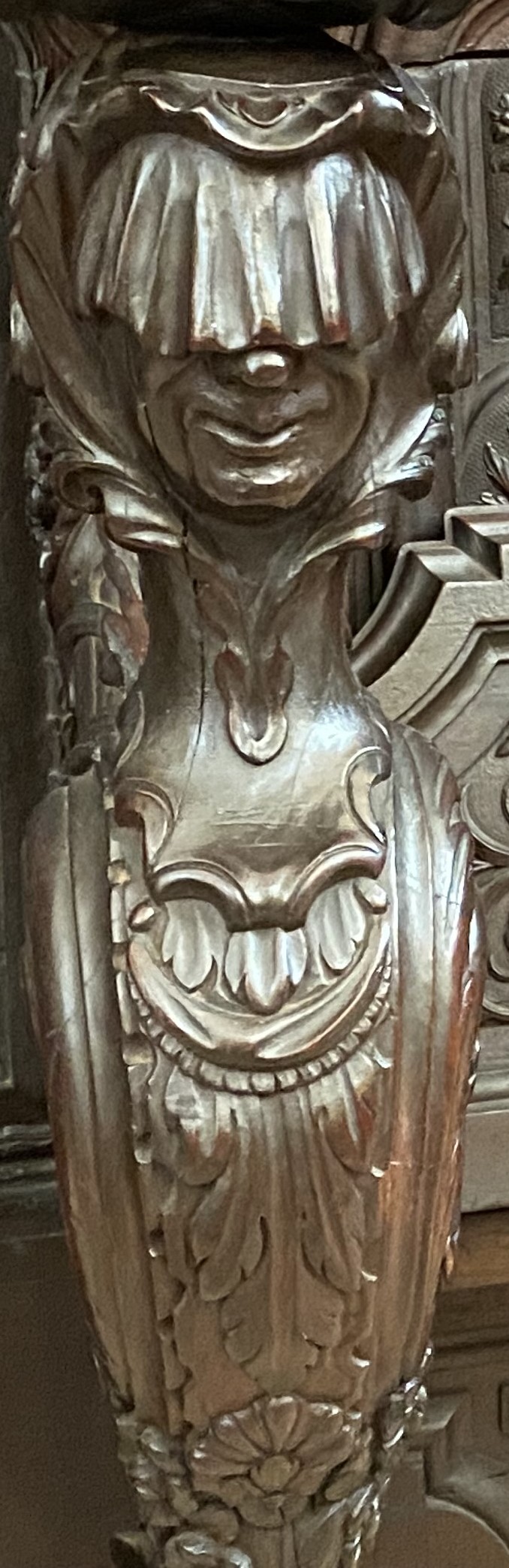


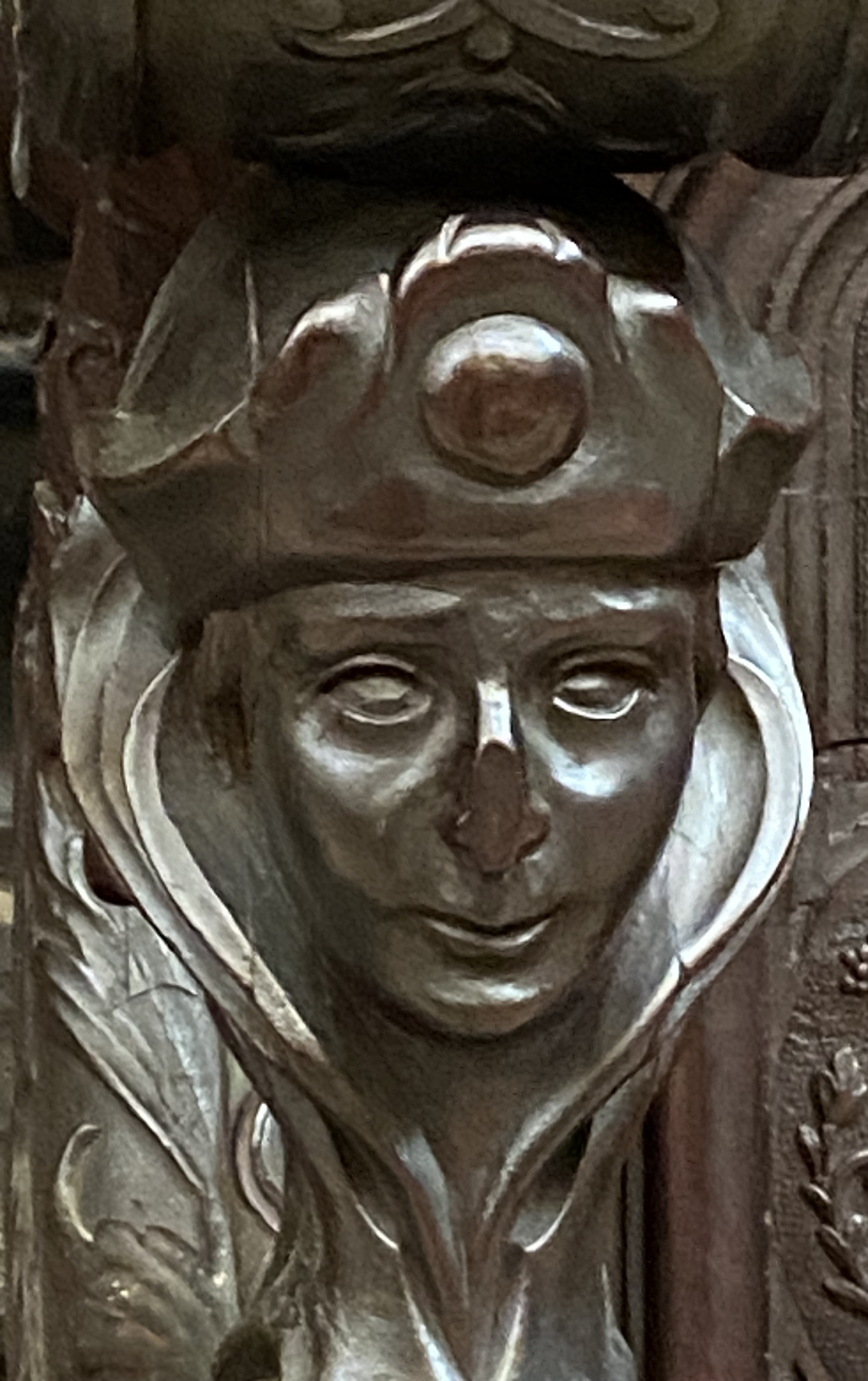


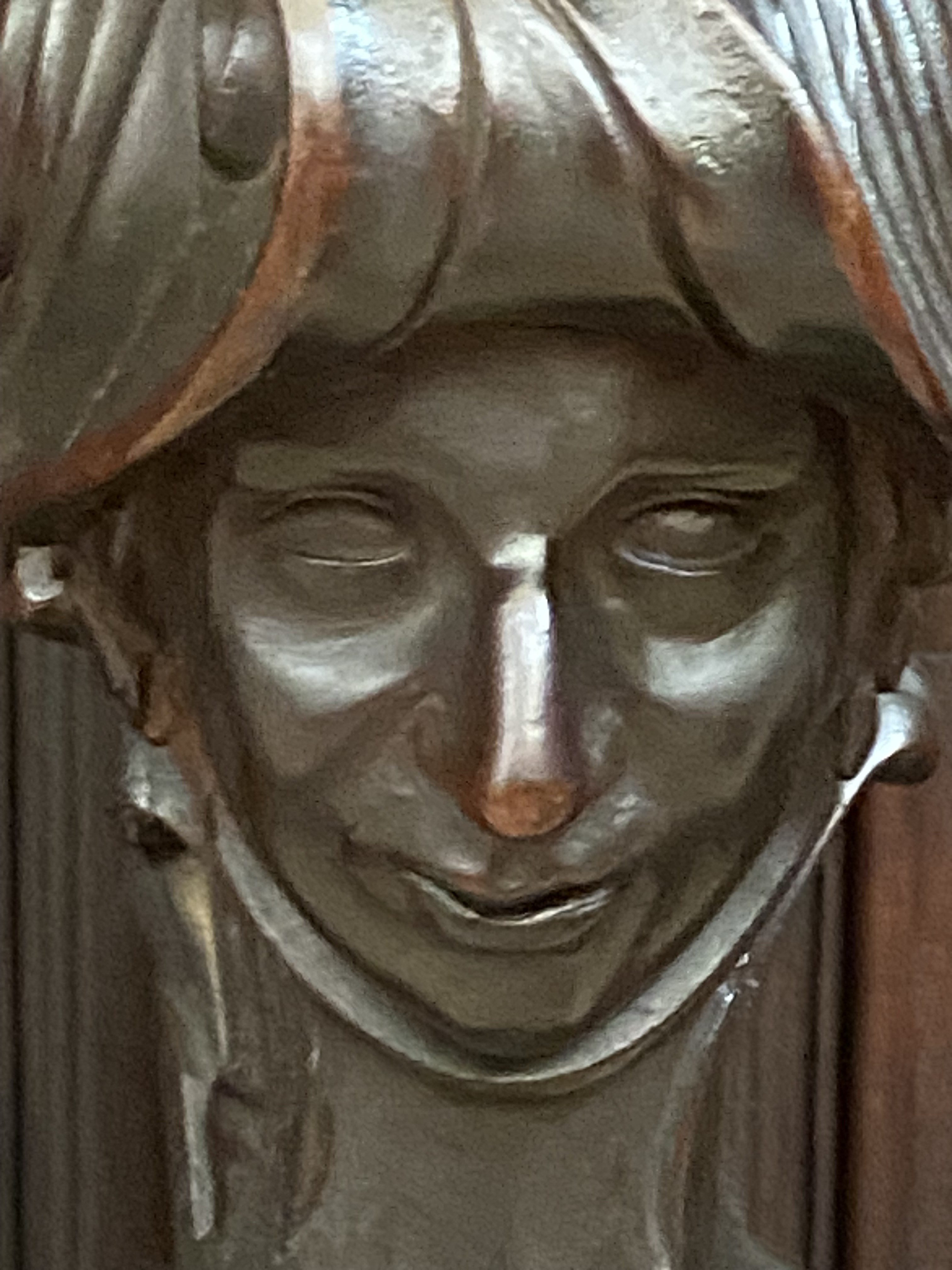
Source: wikipedia Pedro Duque Cornejo
San Nicolás de la Villa, Córdoba

San Nicolás de la Villa is a Catholic church in the city of Córdoba with foundations dating back to the 13th century. In the 17th and 18th centuries, the church underwent major architectural transformations in the tower, doorways, roofs of the two side naves, as well as other buildings that have given a Baroque configuration to the built complex. The main façade was demolished in the 18th century to build the choir and open a window which later became a rose window; the west door was closed and public land taken to extend the main nave and place the choir there.
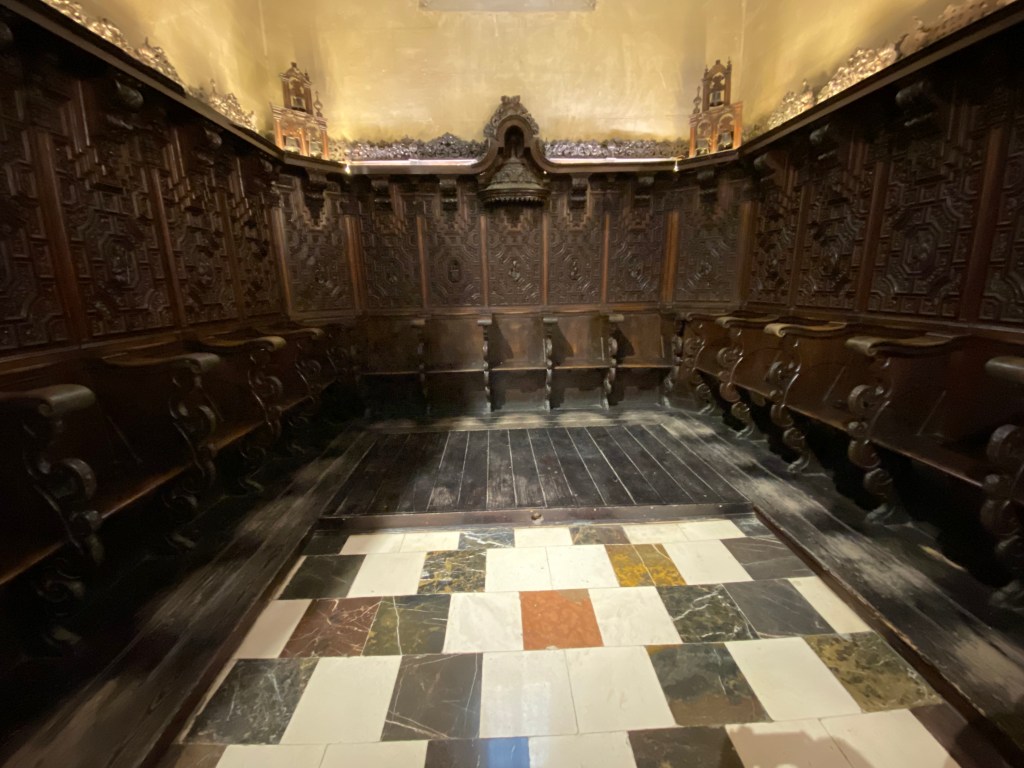
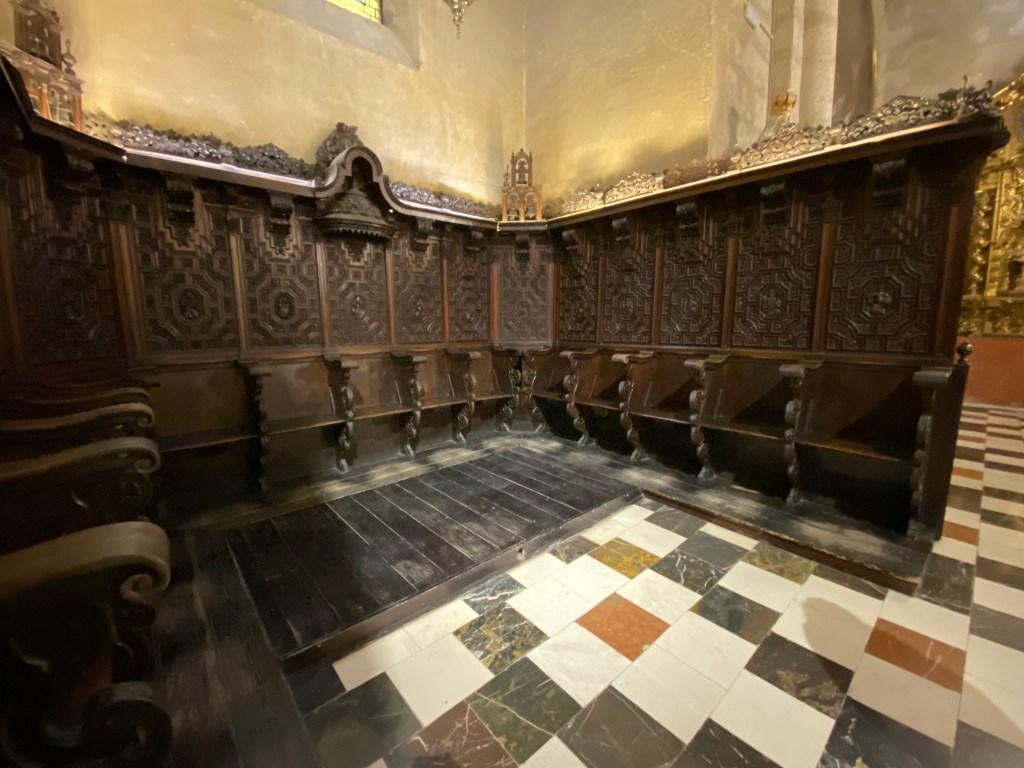

There are fifteen misericords of which two are missing; the remaining ones are in very mixed condition, some damaged or requiring help to remain tipped up. The most common type of image is the grotesque face though there are animals and other subject including a biblical reference.


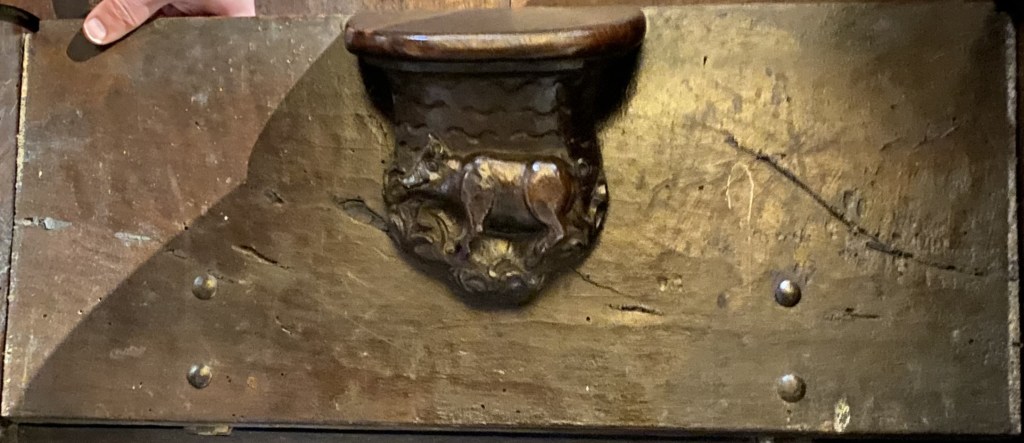



Source: wikipedia Iglesia San Nicolas; Arten Cordoba; Institut Andaluz del Patrimonio Historico
 undivided-back postcards